
BMW Brake Pad Replacement: Your Comprehensive Guide
A Guide to BMW Brake Pad Replacements
Taking care of your car is important for staying safe on the road. Brakes do a lot of work, especially in city traffic. Boyd Motor Werks put together this guide to help you understand BMW brake pad replacement in Portland, OR. We want to help you learn how your brakes work. Looking after them now can save you from costly repairs down the road.
What Are BMW Brake Pads and Why Are They Important?
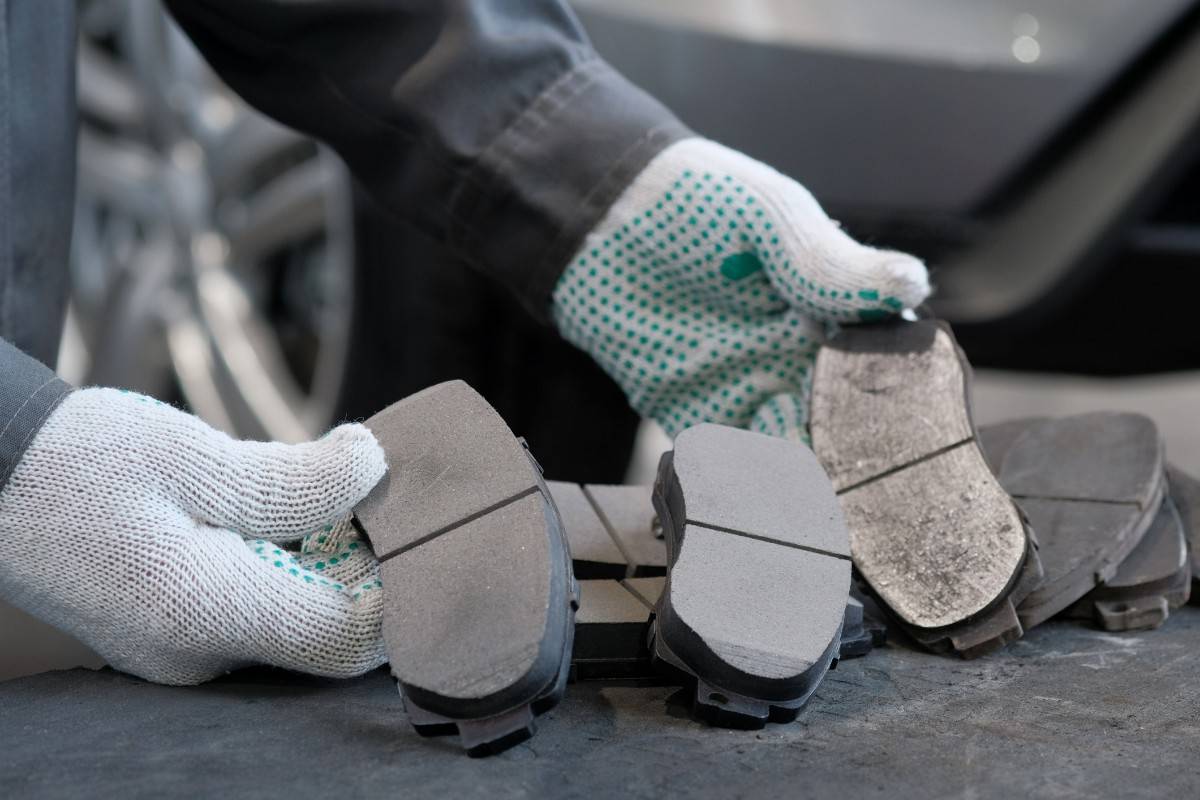
Brake pads are small plates that press against a metal disc to slow your car, and they deal with a lot of heat every day. Quality materials help your car stop quickly when you need it. If the pads wear out, it takes longer to stop, and your safety is at risk. BMWs need the right parts to keep their handling sharp. Changing brake pads regularly keeps your car working properly.
How Often Should You Replace BMW Brake Pads?
Most BMWs need brake pad replacement every 30,000 to 70,000 miles. How often you change them depends on how and where you drive. City driving with lots of stops wears out pads faster than highway driving. Braking hard also makes them wear out sooner. It’s a good idea to ask your mechanic to check your brakes during oil changes.
Signs You Need a BMW Brake Pad Replacement
Identifying the signs of worn brake pads early can cut down on more expensive repairs in the future. Paying attention to these symptoms helps avoid dangerous driving situations. Some signs that you need brake pad replacement include:
- Squealing Noises – High-pitched sounds mean the wear indicators are rubbing the metal disc.
- Dashboard Warnings – Modern vehicles trigger a dashboard alert when materials run low.
- Vibrating Pedals – Feeling a pulse through your foot indicates warped components.
- Spongy Pedals – A soft pedal points to serious hydraulic issues.
Replacing Brake Pads and Rotors Together
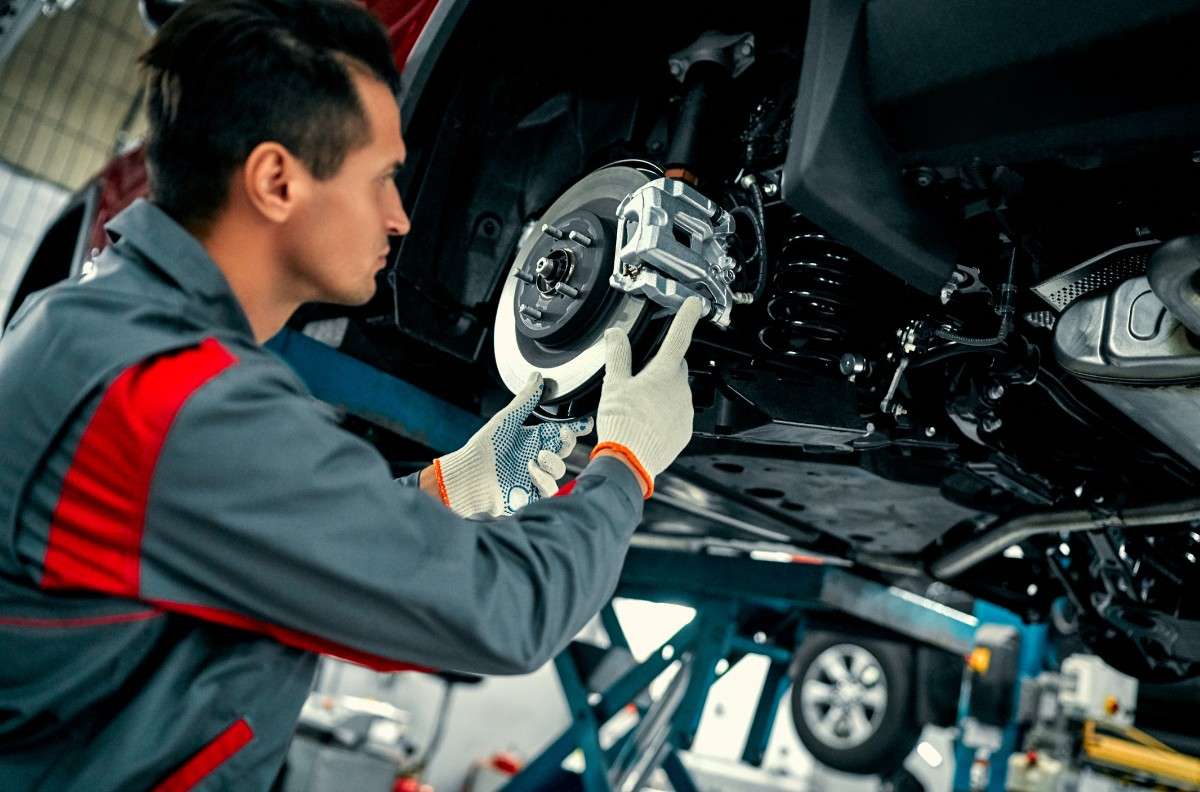
When inspecting your brakes, mechanics look at both the metal discs and the brake pads. If the discs are very worn or have deep grooves, you’ll need to replace both the pads and rotors to keep your brakes safe. Putting new pads on damaged discs can cause uneven wear. Our team always checks disc thickness to make sure it meets factory standards.
Model-Specific Brake Pad Replacements
Each BMW model needs brake pads that fit its size and weight. For example, a BMW X3 uses pads made for SUVs, while a BMW X5 needs even bigger parts for its extra weight. A BMW Touring uses pads designed for both sporty handling and comfort. We always get the right OEM parts for your model.
Why Choose a BMW Specialist
Bringing your BMW to a regular lube shop can lead to poor results. Boyd Motor Werks has forty years of experience working on Mini Coopers and BMWs right here in Portland. We use advanced diagnostic tools to make sure your car runs its best. As a family-owned business, we focus on honest service instead of pushy sales. We also protect your investment and follow strict recycling practices.
Tips to Extend the Life of Your BMW Brake Pads
How you drive every day affects how long your car’s parts last. By making a few small changes to your routine, you can help your brakes last longer. Smart driving also helps you save on maintenance costs. Below are a few tips for extending the life of your brake pads.
Coast to a Stop
If you take your foot off the gas early, your car will slow down on its own. This simple habit means your brake pads don’t have to work as hard. Watching for red lights and stop signs ahead also helps reduce wear on your brakes.
Lighten Your Load
Carrying extra weight in your trunk makes your brakes work harder. Taking out heavy items or unused gear lightens your car, so your brakes don’t have to do as much work. A lighter car is easier on your whole braking system.
Flush the Brake Fluid
Over time, moisture can get into your brake lines. Dirty brake fluid boils at lower temperatures and makes your brakes less effective. Flushing the fluid every two years helps protect your brake system from damage.
Schedule a Brake Service Appointment Now
Don’t wait until you hear grinding noises to get your brakes checked. Boyd Motor Werks is here to inspect your braking system. Our team is happy to answer any questions about your BMW. Contact us today to book your next maintenance visit. We’re committed to keeping BMW drivers safe.
FAQs About Brake Pad Replacement
Are Squeaking Brakes Normal?
Sometimes brakes squeak if moisture collects on the discs overnight. But if you keep hearing high-pitched noises, your brake pads may be worn and need to be checked by a professional. If the sound continues during dry afternoons, have a mechanic look at your brakes.
How Long Do Rotors Last?
Brake rotors usually last about 70,000 miles if you drive normally. Hard braking or ignoring worn pads can wear them out much sooner. Mechanics check rotor thickness during regular inspections to make sure they’re still safe.
Can I Ignore the Sensor?
If you ignore a dashboard warning light, you risk complete brake failure. The sensor only turns on when your brake pads are very worn. Driving after this warning can damage your rotors and lead to costly repairs.
What Causes Spongy Pedals?
If your brake pedal feels soft, there may be air in the brake lines or a fluid leak in the master cylinder. You should have your car towed to a shop right away to avoid losing braking power.
Do You Use OEM Parts?
We only use original manufacturer parts to make sure your BMW performs like it should. Aftermarket parts often don’t fit as well or last as long in these high-end cars. Using official parts keeps your ride smooth and safe.
BMW Check Engine Light Reset: A Guide for Drivers
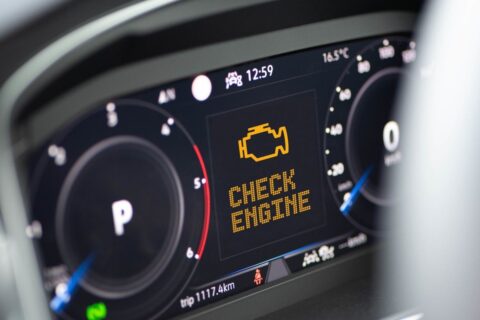
When a yellow dashboard icon lights up, most drivers feel a wave of worry. You might wonder…
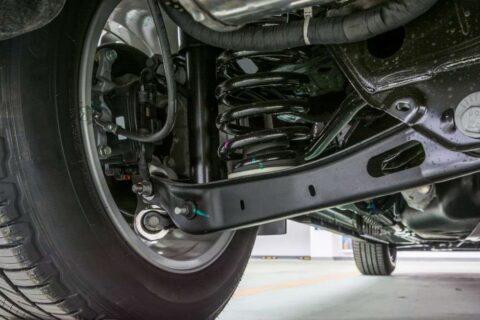
Driving a luxury car is meant to be smooth and quiet, so any unexpected clunk or squeak can quickly ruin that experience. At Boyd Motor Werks, we…