
What Causes BMW Suspension Noise During Cold or Wet Mornings?
Driving a luxury car is meant to be smooth and quiet, so any unexpected clunk or squeak can quickly ruin that experience. At Boyd Motor Werks, we help you understand why BMW suspension noises happen on cold or wet mornings in Portland. Knowing where these sounds come from lets you fix small issues before they turn into expensive or risky problems. If you spot the specific BMW suspension noise early, our technicians can make the right repairs to keep your ride comfortable and protect your investment.
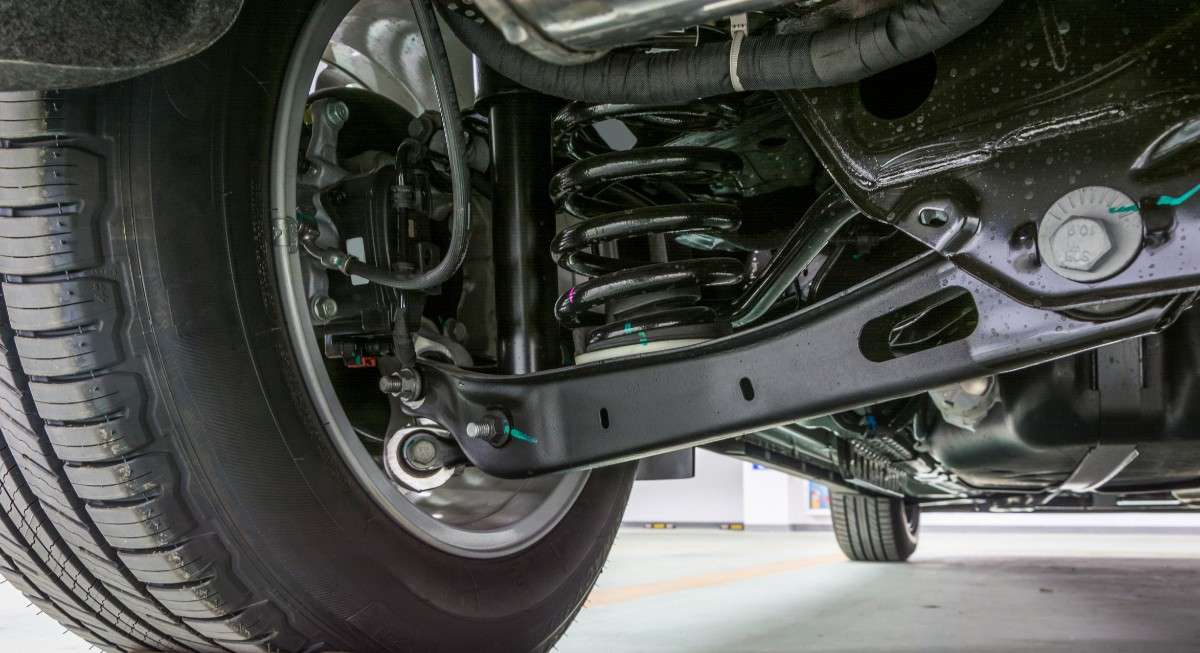
What Causes BMW Suspension Noise on Cold and Wet Mornings?
When temperatures drop, metal parts shrink and rubber parts become much stiffer. Heavy rain cools things down quickly and can wash away important lubrication from key joints. These tough conditions make parts rub or grind together instead of moving smoothly. That friction causes the squeaks and thumps you hear when driving. Because BMWs are carefully engineered, even small changes in how materials flex can create noticeable noises inside the car.
Is BMW Suspension Noise in Cold Weather Normal?
It’s normal for your car to feel a bit stiff during the first few miles as everything warms up under the hood. If you keep hearing BMW suspension noise in cold weather, it usually means something is wearing more than it should. Rubber bushings can break down over time and lose their flexibility. If you ignore these early signs, you could end up with a more serious suspension repair later. You should not accept constant clunking or rattling as normal for a high-end car.
Common Causes of BMW Suspension Noises
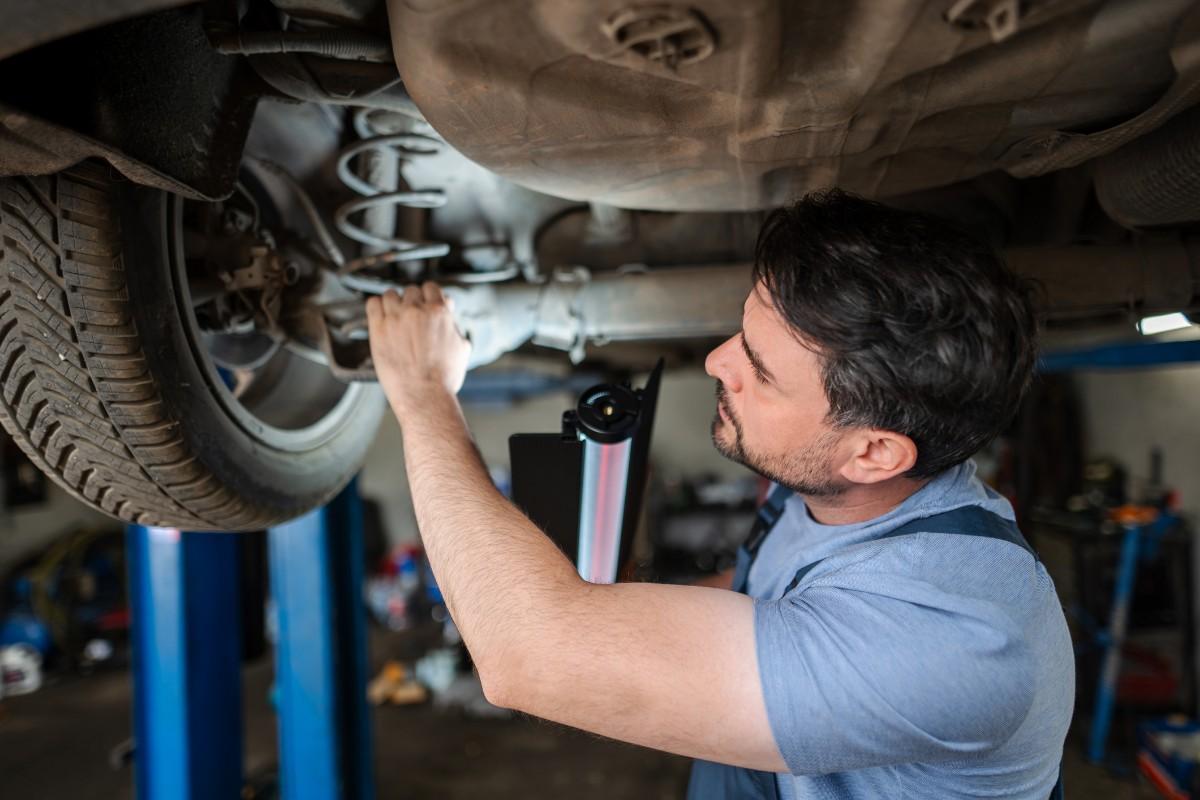
Harsh weather can make certain parts wear out faster, which leads to noticeable noises. We often find that a few common parts under the car are to blame. Regular inspections help us find these problems early.
Degraded Control Arm Bushings
Control arms link the car’s frame to the wheel hub and use rubber bushings to absorb bumps. When it’s cold, old rubber can get hard and crack. This can cause metal parts to hit each other, making a sharp clunking sound and affecting how well your car handles.
Worn Strut Mounts
Strut mounts hold the suspension to the car’s body. Rainwater can get into these parts and cause the bearings inside to rust over time. Drivers often hear a clear BMW front suspension noise when turning the steering wheel sharply at low speeds.
Failing Sway Bar Links
Sway bars help keep your car steady when you turn sharply. The links that connect them use small ball joints filled with grease. On wet mornings, water can wash away the grease, leading to rattling or creaking noises from the suspension when you drive over rough roads.
Types of BMW Suspension Noises
Figuring out exactly what kind of noise you hear can help us find the problem faster. Try to notice the type of sound and let our technicians know. Some of the most common types of sounds you might notice include:
- Sharp Clunking – This sound usually points to failing control arm bushings or worn lower ball joints.
- Hollow Rattling – Sway bar end links often produce this noise when driving over small bumps or rough pavement.
- High-Pitched Squeaking – Dried-out rubber mounts typically cause this friction noise during cold starts.
How to Diagnose BMW Suspension Noise
Diagnosing BMW suspension noise correctly takes special tools and a lot of know-how. Our technicians lift your car to check every joint, bushing, and mount for too much movement. We also look for torn grease boots and worn rubber parts throughout the system. Trying to find these noises without the right equipment can be frustrating and unsafe. A thorough check means we only replace the parts that really need it, which saves you time and money.
How to Prevent BMW Suspension Noise
Taking care of your car ahead of time helps your undercarriage parts last much longer. A few simple habits can keep your ride smooth and comfortable. Some preventative steps you can take include:
- Routine Inspections – Have a professional check the undercarriage components thoroughly during every scheduled oil change.
- Immediate Repairs – Replace torn dust boots immediately before rainwater washes away the internal grease.
- Quality Parts – Always insist on OEM replacements to ensure proper fit and maximum longevity.
Our Professional BMW Suspension Repair
Repairing a complex car and its internal systems takes the right tools and careful work. We focus only on BMW and Mini Cooper service, with over 40 years of experience. Our ASE-certified mechanics find the cause of the noise quickly and fix it the right way. We make repairs efficiently. That way, you can get back on the road safely. When you choose a dedicated specialist, your car receives the level of care it was designed to get.
Schedule a Suspension Appointment Now
Don’t let a small squeak turn into a big problem. Bring your car to Boyd Motor Werks for a careful check and a dependable repair. Contact us today to book a time that works for you. We offer great value on all our services. As a family-owned business, we’re ready to bring back the smooth, quiet ride you expect from your luxury car.
FAQs About BMW Suspension Noises
Are Cold Weather Noises Bad?
Minor stiffness happens occasionally, but persistent clunking indicates a structural problem. You should have a professional inspect the vehicle promptly to ensure absolute safety.
Can I Ignore Suspension Squeaks?
Ignoring these sounds often leads to uneven tire wear and exceptionally poor handling. Addressing the root cause early saves money on extensive repairs later.
How Long Do Bushings Last?
Most rubber components require replacement between 60,000 and 80,000 miles. Driving on rough roads or in harsh climates reduces this lifespan significantly.
Do Potholes Cause Suspension Damage?
Yes, striking deep potholes bends control arms and ruptures hydraulic bushings instantly. Drivers should navigate poorly maintained roads with extreme caution to prevent immediate damage.
Why choose Boyd Motor Werks?
We offer four decades of exclusive experience with these specific German vehicles. Our family-owned shop guarantees honest service and utilizes strictly OEM parts for repairs.

A Guide to BMW Brake Pad Replacements
Taking care of your car is important for staying safe on the road. Brakes do a lot of work, especially in city…

BMW Check Engine Light Reset: A Guide for Drivers
When a yellow dashboard icon lights up, most drivers feel a wave of worry. You might wonder…