
Why Does My BMW Engine Sound Louder After an Oil Change
Noticing New Engine Noise After an Oil Change?
Fresh oil typically keeps a motor running smoothly and quietly. If you notice a strange BMW engine noise after an oil change, several factors may be causing the volume change. Sometimes the new oil flows differently through the filters, or the technician might need to double-check the housing seal. Our team at Boyd Motor Werks addresses every BMW engine noise for drivers in Portland, OR. A louder sound often indicates that the parts are adjusting to fresh lubrication or a different oil viscosity. Ensuring your vehicle runs at peak performance helps maintain its value and power. Expert eyes can quickly identify if a valve or a pump needs attention to restore that signature quiet hum. Keeping your luxury car in top shape ensures every drive feels effortless and refined.
What Kind of Noise Are You Hearing?
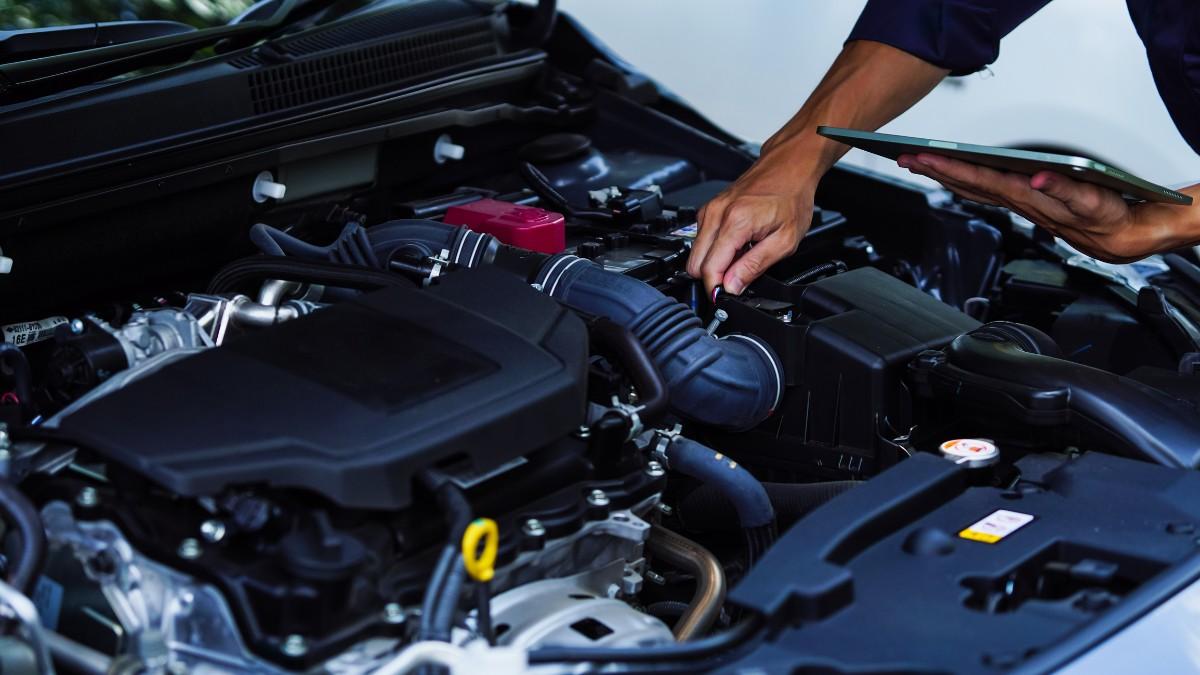
Light ticking, soft humming, or a brief change in tone can appear right after fresh oil circulates through the system. These sounds often relate to how quickly the new oil reaches upper engine parts or how the oil filter settles during the first few minutes of operation. A mild rattle may indicate oil draining from lifters before the engine reaches full pressure, while a deeper hum may come from a new filter element settling into place. Drivers who ask about BMW engine noise after an oil change often benefit from a careful inspection to confirm the correct oil weight, filter fit, and overall engine balance.
Common Reasons a BMW Sound Louder Following an Oil Change
A BMW may sound louder for a short period after fresh oil moves through each passage and the engine rebalances pressure. Small changes in viscosity, filter construction, and temperature can shift the engine’s tone until everything stabilizes. Drivers who notice a BMW humming noise from their engine often describe a steady increase in sound that fades as the vehicle warms up. These changes usually indicate normal system adjustments, and a closer look by trained technicians helps confirm that each component is correctly seated. Here is a look at common reasons a BMW sounds louder after an oil change:
- Oil Viscosity Changed From the Previous Service – A different weight can alter how quickly oil flows across moving parts and how long it takes to reach full pressure. The engine may sound louder until the oil warms and the system evens out.
- A New Oil Filter Seats Itself During the First Few Minutes of Operation – The filter element can shift slightly as pressure builds. This movement can raise the engine tone until the material settles into its final position.
- Fresh Oil Clears Older Deposits Inside Passages – As the oil circulates, it can move through areas that had slight buildup from prior service intervals. This process can produce short-term changes while the flow stabilizes.
- Temperature Differences Affect Initial Oil Behavior – Cold starts or seasonal changes influence how quickly fresh oil reaches upper components. The engine tone can sound stronger while it reaches operating temperature.
Can an Oil Change Cause BMW Transmission Problems?
An oil change affects the engine’s lubrication system, not the transmission, yet some drivers notice new sensations after service. Fresh oil can change how the engine responds under load, which may make shifting feel different even though the transmission operates as designed. Many concerns described as BMW oil change problems relate to normal changes in engine tone or throttle responses that stand out more once clean oil begins circulating. A proper inspection confirms correct oil weight, filter fit, and stable engine performance. These checks help ensure the transmission continues to shift smoothly and deliver consistent performance on every drive.
Is It Normal for a BMW to Be Slightly Louder After an Oil Change?
A slight increase in sound can appear after fresh oil reaches every part of the engine. The new oil may flow differently from previous fills, creating a brief period when the tone changes as pressure builds. Many BMW engines exhibit a sharper, more noticeable sound with clean oil until the system reaches operating temperature. These changes often fade once the oil warms and each component receives steady lubrication. Consistent performance, smooth response, and stable pressure confirm normal operation after service.
When Engine Noise After an Oil Change Is a Red Flag
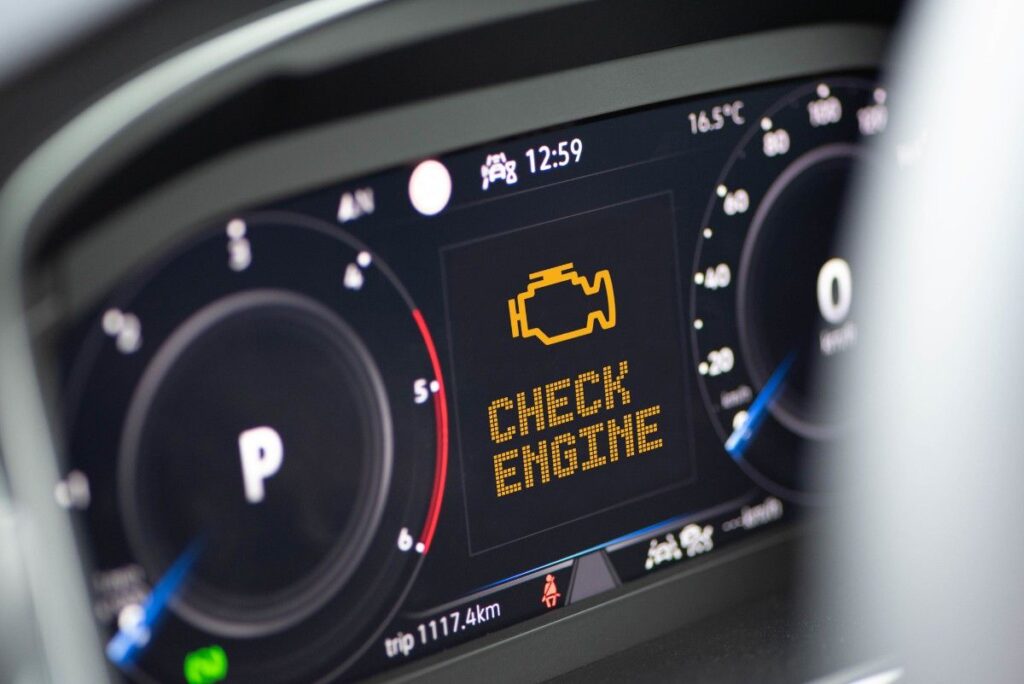
Some sound changes after service are within normal operation, yet certain patterns warrant prompt attention. Fresh oil should create smooth circulation, steady pressure, and a consistent tone as the engine reaches temperature. When the sound grows louder or shifts in an unfamiliar way, the engine may signal an issue unrelated to routine maintenance. These concerns are grouped with BMW oil change problems, even though the cause often comes from a part that needs adjustment or verification. The list below highlights when engine noise after an oil change is a red flag:
- A Sharp Knocking Sound Develops and Continues As The Engine Warms – This pattern can signal a lubrication issue that needs immediate attention. The noise indicates that a component may not receive proper oil flow.
- A Loud Rattle Appears at Start-Up and Does Not Fade Within a Few Minutes – This change can point to a filter or internal part that sits out of position. The engine needs a full inspection to confirm proper seating.
- The Engine Tone Rises Quickly Under Light Throttle – This shift may show that pressure levels require verification. A technician can check for any irregularity in oil delivery.
- A New Metallic Scraping Sound Becomes Noticeable During Idle – This noise often suggests contact between parts that should remain separated by a film of oil. Immediate evaluation helps protect internal components.
What To Do If Your BMW Sounds Louder After an Oil Change
A loud engine, after fresh oil circulates through the system, often settles once the vehicle reaches full temperature. Yet, drivers can take a few simple steps to confirm everything functions as intended. Start by letting the engine idle for a short period so the oil reaches every passage and the filter seats fully. Listening to changes as the vehicle warms helps identify whether the sound fades. A quick visual check for proper oil level provides added reassurance. When the sound persists or grows stronger, a technician can verify correct oil weight, filter fit, and overall engine performance.
Don’t Ignore New BMW Engine Noises
Clear, steady sound signals a healthy powertrain, and our technicians keep it that way. If a new tone stands out after service, we check oil weight, filter fit, and pressure readings to confirm everything matches BMW specifications. Boyd Motor Werks addresses BMW engine noise with precise testing and proven repair methods, so your vehicle runs quietly and reliably. Schedule a visit, speak with our service team, or request a same-day inspection. Drive in for expert BMW and Mini Cooper care backed by decades of hands-on experience in Portland. Your car leaves the garage ready for the road; with confidence you can hear.
BMW Engine Noise FAQs
Is it normal to hear light ticking after an oil change?
Light ticking can develop as fresh oil fills the upper areas of the engine. The sound often fades once lubrication reaches steady flow.
Can the wrong oil weight cause new engine noise?
Incorrect viscosity can change how quickly oil moves across internal parts. This difference can create a louder tone until the proper weight is restored.
Should I drive my BMW if the noise stays the same after warm-up?
Driving with a persistent noise is not recommended. A trained technician can confirm proper oil delivery and verify that no component sits out of position.
Can a BMW sound louder if the oil level is slightly low?
Low oil can reduce lubrication and create sharper engine sounds. A quick level check helps confirm that the system has the correct amount.
How long should new engine noise last after an oil change?
Most short-term sounds fade within the first few minutes of operation. If the noise stays consistent or intensifies, a technician should review the system.